
Detailed explanation of the selection criteria for terminal connectors and wiring harness connectors!
In many fields such as electronic equipment, automobiles, aerospace, etc., terminal connectors and wiring harness connectors are key components for connecting circuits, and their selection is crucial. Correct selection can not only ensure the stability and reliability of the circuit, but also improve the performance and life of the overall system. The following will explain in detail the selection criteria for terminal connectors and wiring harness connectors.
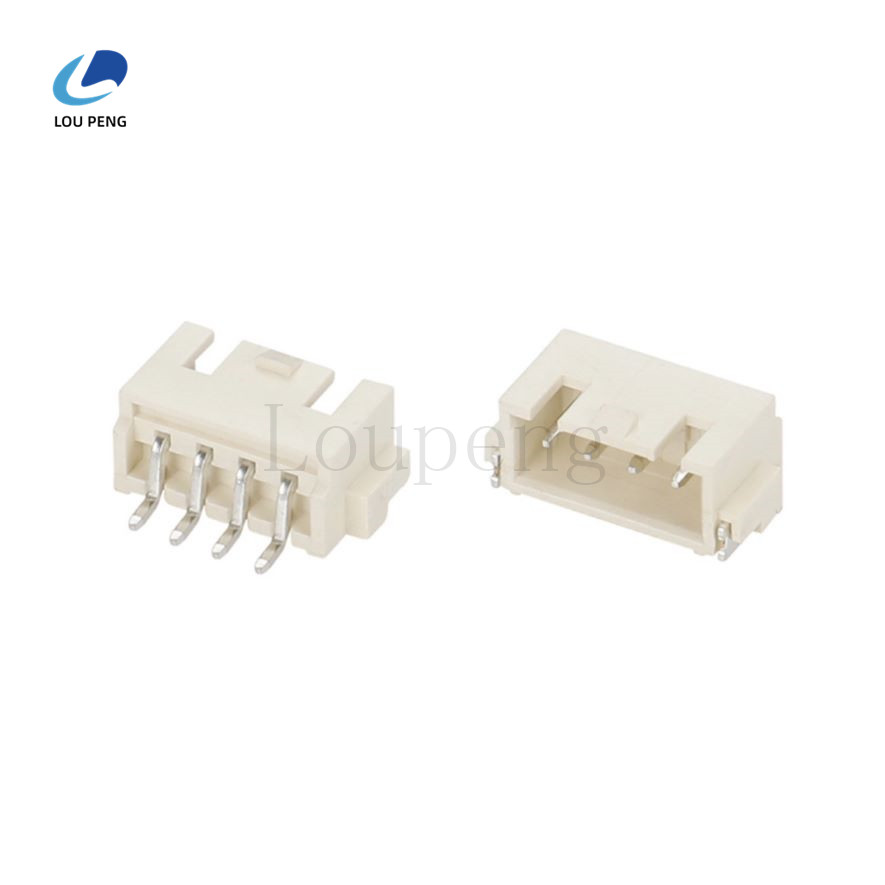
一. Electrical parameter requirements:
1. Current and voltage: Determine the required current and voltage levels according to the application scenario. For example, in automotive electronic systems, different electrical devices have different requirements for current and voltage. Therefore, when selecting a connector, it is necessary to ensure that it can withstand the expected current and voltage to prevent faults such as overheating and short circuits.
2. Contact resistance: Contact resistance is one of the important indicators for measuring connector performance. High-quality connectors should have lower contact resistance to reduce energy loss and heat generation and improve the stability of current transmission.
二. Environmental factors:
1. Temperature and humidity: Select the appropriate protection level and material according to the temperature, humidity and other conditions of the use environment. For example, in a high temperature environment, a material that can withstand high temperatures should be selected; in a humid environment, a connector with good sealing performance should be selected to prevent moisture intrusion.
2. Vibration and shock: For applications that may be subject to vibration or shock, such as bumps during car driving, a connector with anti-vibration and anti-shock capabilities should be selected to ensure the stability and reliability of the connection.
三. Mechanical parameter determination:
1. Mechanical life: Select the appropriate material and contact type according to the product's service life requirements. For example, for applications that require frequent plugging and unplugging, wear-resistant and fatigue-resistant connectors should be selected to ensure long-term stable performance.
2. Installation method: According to the structure and installation method of the equipment, select the appropriate connection method and size. For example, for applications with limited space, a smaller connector should be selected and an appropriate fixing method should be adopted to ensure the firmness of the connection.
四. Shielding and anti-misplugging design:
1. Shielding: For communication products that require shielding, such as electronic control systems in automobiles, connectors with metal shells should be selected, and the shielding layer of the cable should be connected to the metal shell of the connector to achieve a good shielding effect.
2. Anti-misplugging: Prevent incorrect insertion by designing different plug shapes, coding or colors. For example, use different types of connectors in the same docking area, or adjust the relative position relationship of the connectors to make the assembly unique.
五. Principle of unified selection:
When the requirements are met, try to select connectors of the same type or the same manufacturer to achieve the following goals:
1. Convenient management: Reduce the types of materials and reduce the difficulty of management.
2. Reduce costs: Reduce production and design costs through bulk purchases and standardized production.
3. Increase substitutability: When a certain type of connector is out of stock or fails, other connectors of the same type can be used as a substitute.
六. Material and durability considerations:
1. High-quality materials: Select high-quality materials with good conductivity, corrosion resistance, and wear resistance, such as precious metal materials such as gold plating and silver plating, to improve the performance and service life of the connector.
2. Surface treatment process: Use appropriate surface treatment processes, such as electroplating and spraying, to improve the corrosion resistance and aesthetics of the connector.
七. Special considerations in practical applications:
Terminal connector:
Select the appropriate terminal type and size according to factors such as the type of wire to be connected (hard wire or soft wire), the cross-sectional area of the wire, etc.
Ensure that the terminal is reasonably matched with the selected connector to achieve the best connection effect.
Wire harness connector:
For the connectors that connect between wire harnesses, consider reserving empty pins to facilitate later functional expansion.
According to the direction and layout of the wiring harness, choose the appropriate connector type and layout method to ensure the neatness and beauty of the wiring harness.
In summary, the selection of terminal connectors and wiring harness connectors is a comprehensive consideration process. In the selection process, electrical parameters, environmental factors, mechanical parameters, shielding and anti-misinsertion design, selection unification principles, materials and durability and other aspects must be fully considered. Only by carefully analyzing and comparing the performance characteristics and application scenarios of different products can the most suitable connector type be selected to ensure the stability and reliability of the circuit.