
Advantages of using USB cables and FFC cables in computer equipment!
In modern computer equipment, the selection and application of cables are directly related to the performance, portability and reliability of the equipment. Among them, USB cables and FFC cables are two widely used types of cables, each with its own unique advantages, and play an important role in computer equipment. In this article, Loupeng Electronics will explore the application advantages of these two cables in computer equipment.
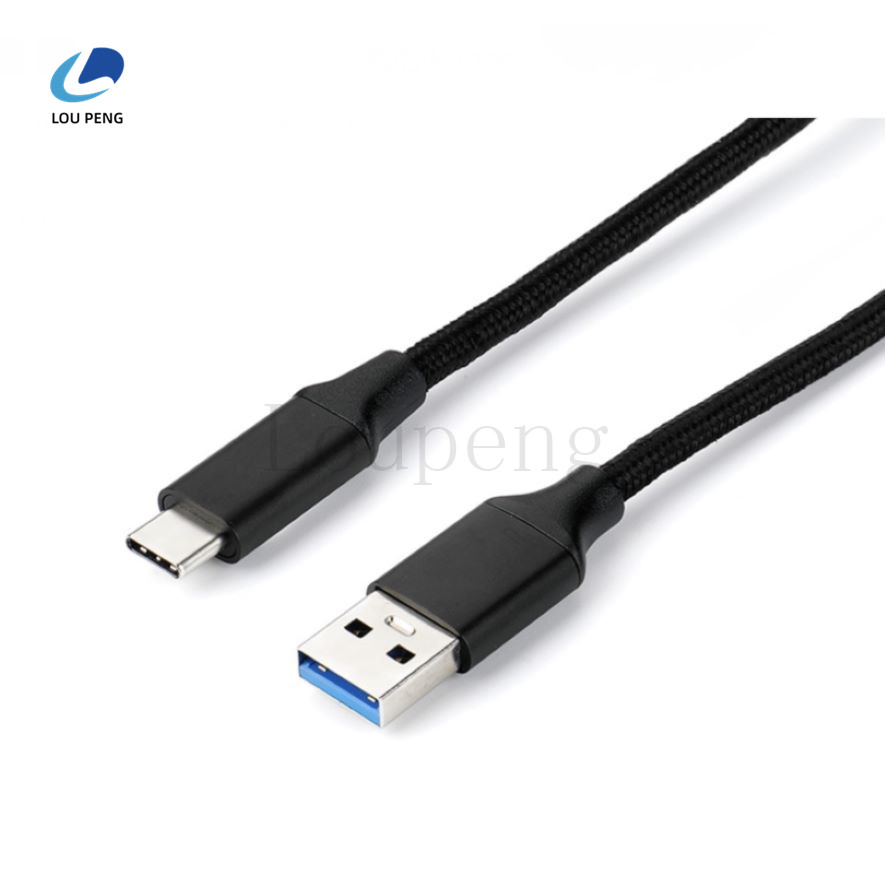
Advantages of USB cable:
1. High-speed data transmission:
USB (Universal Serial Bus) is a serial bus standard with a significantly higher data transfer rate than traditional communication interfaces. The latest USB 2.0 standard supports a data transfer rate of up to 480MbPs, which means that users can transfer large amounts of data, such as video, audio, and documents, more quickly, greatly improving work efficiency.
2. High-freedom connection/topology:
The USB interface supports a variety of topologies, such as star and bus, allowing users to flexibly connect multiple devices to the computer without worrying about connection conflicts or compatibility issues. This high-freedom connection method not only simplifies the device connection process, but also improves the scalability of the device.
3. Hot plug/plug and play:
The USB interface supports hot plug function, and users can directly plug or unplug the device while the computer is working without shutting down or restarting. This plug-and-play feature not only simplifies the operation process of the device, but also improves the availability and flexibility of the device. At the same time, the USB interface automatically identifies the device on the bus, without the user having to reset the port address and interrupt request, further simplifying the device configuration process.
4. Built-in power supply:
The USB interface can provide 5V voltage and up to 500mA current from the bus, which allows low-power peripherals to work normally without an external power supply. This feature not only simplifies the power supply method of the device, but also improves the portability and reliability of the device.
5. Easy to carry:
Most USB devices are known for being "small, light, and thin", which is convenient for users to carry with them. This is undoubtedly a huge advantage for users who need to move frequently or use computers in different locations.
Advantages of FFC cable applications:
1. Good flexibility and easy installation:
FFC (flexible flat cable) cable has excellent flexibility and can be folded and bent freely without damaging the wire. This feature makes FFC cable more flexible during the installation of electronic equipment and can adapt to various complex installation environments.
2. Small size and light weight:
FFC cable was originally designed to replace larger wire harness wires, and its total weight and volume are reduced by more than 70% compared with the traditional round wire harness method. This makes FFC cables widely used in electronic devices with high requirements for miniaturization and mobility.
3. High-quality connection:
FFC cables reduce the hardware required for internal connections, such as solder joints, relays, bottom board lines and cables, thereby improving the reliability and quality of the connection. At the same time, the low stiffness and small size of FFC cables make the assembly process simpler and faster, reducing the possibility of assembly errors.
4. Suitable for complex environments:
FFC cables can withstand millions of dynamic bends and are suitable for internal connection systems with continuous or periodic movement. This feature makes FFC cables widely used in electronic devices that need to be frequently moved or rotated, such as tablets, smart phones, etc.
5. High-efficiency connection:
FFC cables have high-density, high-efficiency connection solutions that can provide high-quality electrical connections. This makes FFC cables widely used in electronic devices that require high-speed data transmission and high-reliability connections, such as servers, data centers, etc.
Summary: USB cables and FFC cables each have unique advantages in computer equipment. USB cables provide users with convenient and efficient data transmission and device connection methods with their high-speed data transmission, high-degree-of-freedom connection, live plug-in and built-in power supply. FFC cables are widely used in electronic devices with high requirements for miniaturization and mobility due to their good flexibility, small size, light weight, high-quality connection and suitability for complex environments. These two types of cables complement each other in computer equipment and jointly promote the development and progress of electronic equipment.